
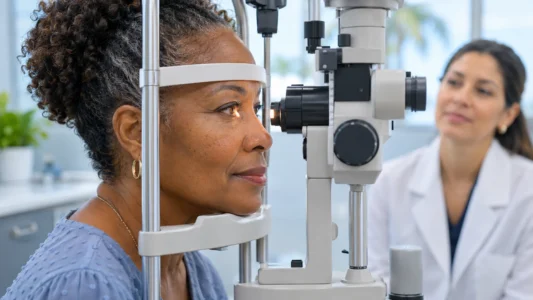
Burning, grittiness, fluctuating vision and even watery eyes can be symptoms of dry eye disease. Miami’s air conditioning, wind and prolonged screen use may aggravate symptoms, but the cause cannot be diagnosed from symptoms alone.
What is dry eye?
Dry eye is a multifactorial ocular surface disorder involving tear-film instability, inflammation, neurosensory changes and/or inadequate tear production. The tear film is better understood as a lipid layer over an integrated mucoaqueous component rather than three completely separate layers. Sources: TFOS DEWS III diagnostic methodology.
Evaporative versus aqueous-deficient dry eye
Evaporative dry eye often involves meibomian gland dysfunction (MGD), which affects the protective lipid layer. Aqueous-deficient dry eye involves insufficient tear production and can be associated with conditions such as Sjögren disease. Many patients have mixed disease. Sources: TFOS DEWS III diagnostic methodology.

How is it evaluated?
A dry-eye workup may include symptom questionnaires, tear breakup time, staining, eyelid and gland assessment, and tear production testing when indicated. Corneal topography alone does not diagnose dry eye. Sources: TFOS DEWS III diagnostic methodology.
What treatments may help?
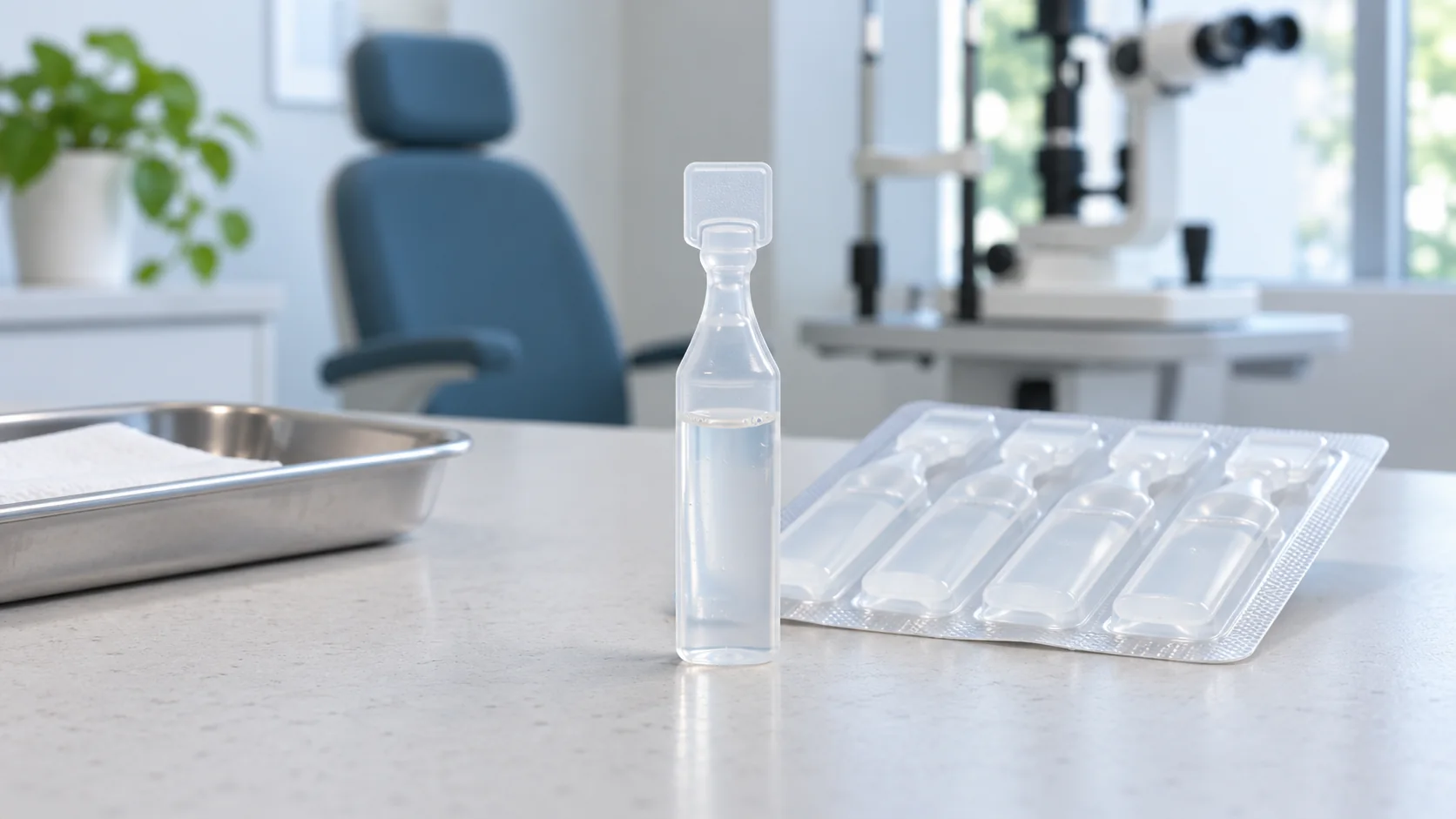
Care may involve preservative-free lubricants, environmental changes, blink and screen-break strategies, lid hygiene, carefully instructed warm compresses, prescription anti-inflammatory therapy, and selected in-office procedures for MGD. Punctal occlusion or specialty lenses may be appropriate for selected cases. Treatments are chosen after identifying the disease mechanisms; not every patient needs every intervention. Sources: TFOS DEWS III management and therapy.
When to seek immediate care
Significant pain, light sensitivity, marked redness, a sudden reduction in vision or contact lens-related symptoms can indicate something more urgent than dry eye. Sources: CDC contact lens safety.